
Walls and Surfaces Refreshed Through New Coatings
Interior and Exterior Painting in Seattle for properties where finishes have faded, surfaces show wear, or preparation reveals underlying damage
YOU ARE HERE
Paint failures show up differently indoors and out—interior walls develop scuffs, nail pops, and uneven color where previous repairs weren't blended, while exterior siding fades unevenly, peels where moisture penetrates, and exposes bare wood in high-weather areas. HBD Home & Maintenance LLC handles both interior and exterior painting for Seattle residential properties, applying new coatings after addressing the surface preparation that determines how long the finish lasts. The region's humidity and frequent rain mean exterior wood stays damp longer, increasing the chance of paint lifting if underlying rot or water intrusion isn't corrected before new coats go on.
Interior painting refreshes walls, ceilings, trim, and living spaces where existing finishes have worn or discolored, while exterior painting covers siding, trim, fascia, and appropriate surfaces exposed to weather. Preparation often reveals issues that must be resolved first—rotted wood gets replaced, damaged drywall is repaired, and surfaces are cleaned and primed to accept new paint. The work connects naturally with carpentry and drywall repair when structural preparation is required before coating.
Discuss which interior and exterior areas need painting and what surface preparation the project requires.
What Changes After New Paint Goes On
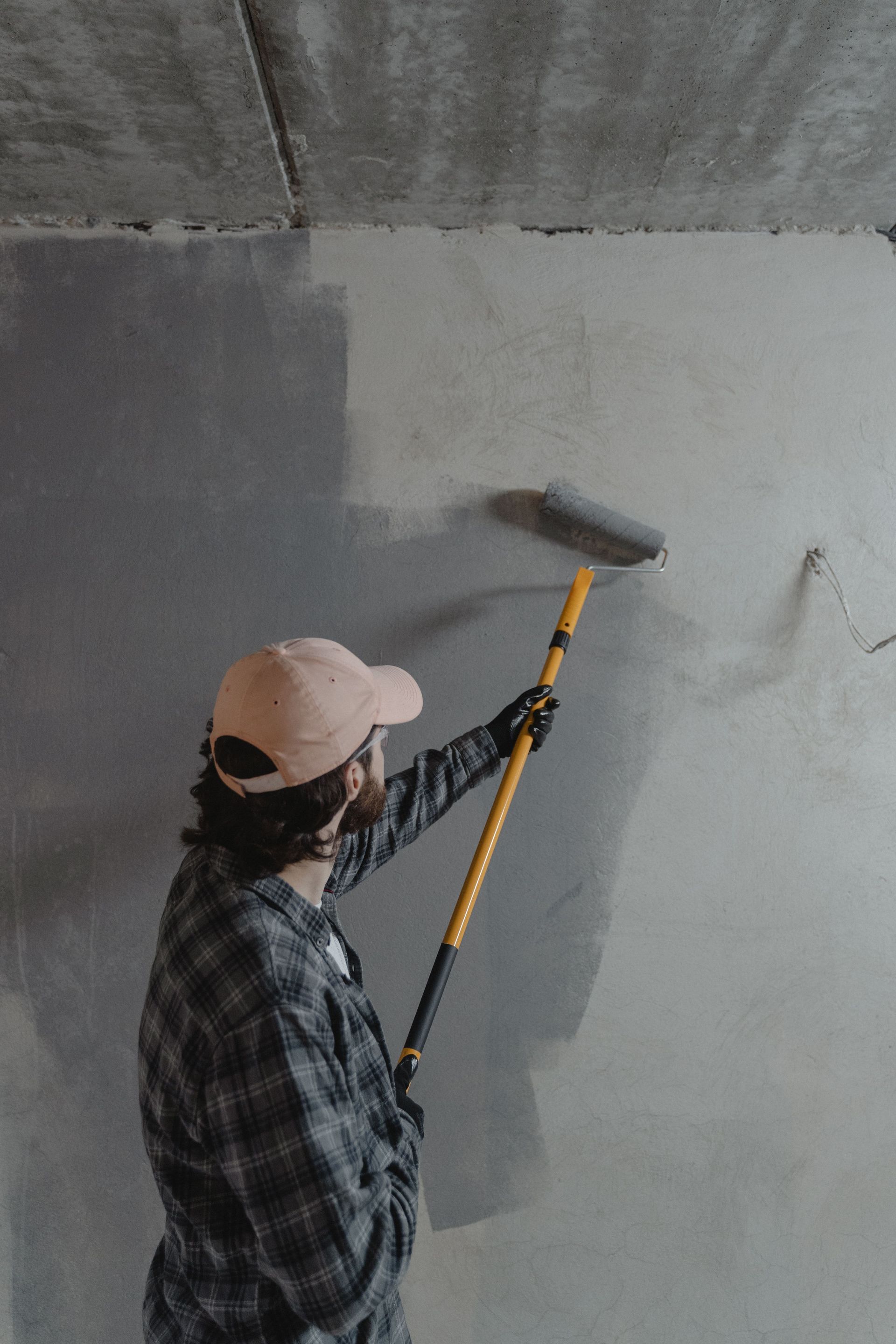
Proper painting begins with surface preparation—filling cracks, sanding rough spots, priming bare wood or patched drywall, and ensuring the substrate is clean and dry enough to accept adhesion. Skipping preparation means paint fails prematurely, peeling within months rather than lasting years. Once surfaces are ready, coatings are applied in appropriate layers, with attention to coverage uniformity and protection of adjacent surfaces.
After painting is complete, interior spaces show uniform color without visible roller marks, patch spots, or uneven sheen, and exterior siding looks consistent rather than faded in sun-exposed sections. Trim lines appear crisp, and surfaces feel smooth rather than rough with embedded debris or drips. The property reads as maintained rather than showing obvious signs of deferred upkeep, and new coatings provide a protective layer that resists moisture intrusion and surface wear.
Painting does not fix structural problems—if siding is rotted, walls have persistent moisture intrusion, or surfaces continue to move due to settling or framing issues, those conditions cause new paint to fail just as quickly as old coatings did. Preparation addresses surface defects, but underlying structural repairs happen separately when damage extends beyond cosmetic wear.
Questions Before Starting Your Project
Homeowners usually ask how painting projects are scoped, what preparation involves, and how long finishes last in Seattle's climate.
What does surface preparation include before painting?
Preparation involves cleaning surfaces, scraping loose paint, sanding rough areas, filling cracks and holes, replacing rotted wood, priming bare or patched areas, and ensuring surfaces are dry and stable enough to accept new coatings.
How does Seattle's wet climate affect exterior paint longevity?
Persistent moisture means exterior coatings must resist water intrusion and mildew growth, and any gaps or failures in caulking, flashing, or siding allow water behind paint layers, causing peeling and blistering that shortens finish life.
What happens if painting reveals rot or structural damage?
If preparation uncovers rotted wood, damaged siding, or drywall that needs replacement, those repairs are completed before painting continues, often requiring carpentry work that extends project scope and timeline.
How long does it take to paint interior or exterior areas?
Duration depends on surface area, preparation required, drying time between coats, and weather conditions for exterior work—projects involving significant repair take longer than straightforward repainting over sound surfaces.
What areas are included in an interior or exterior painting project?
Scope is defined during the estimate—interior projects may cover walls only, walls and trim, or entire rooms including ceilings, while exterior projects address siding, trim, fascia, or specific elevations based on what needs attention.
HBD Home & Maintenance LLC evaluates surfaces, identifies preparation requirements, and discusses whether painting alone addresses your goals or if related repairs—drywall, carpentry, rot correction—need to happen first. Arrange a walkthrough to review interior rooms and exterior elevations that need new coatings.