
Surfaces Cleared of Weather-Related Buildup
Pressure Washing in Seattle for walkways, driveways, patios, and decks affected by persistent moisture and organic grime
YOU ARE HERE
Seattle's climate leaves a visible layer of green algae, moss, dirt, and organic residue on exterior hardscaping—driveways develop dark streaks along edges, walkways turn slippery where moisture never fully evaporates, and deck boards darken with embedded grime that doesn't rinse away during rain. Pressure washing removes this buildup by directing high-pressure water across surfaces, lifting accumulated material that has bonded to concrete, pavers, composite decking, and appropriate wood finishes. The process restores the original surface color and texture without requiring replacement or refinishing in most cases.
HBD Home & Maintenance LLC pressure washes walkways, pathways, driveways, patios, and decks where cleaning is appropriate for the material and surface condition. The equipment adjusts pressure and spray pattern based on what's being cleaned—lower pressure for wood decking to avoid gouging fibers, higher pressure for concrete driveways that tolerate more aggressive cleaning. The goal is removing visible dirt and weather-related grime without damaging underlying surfaces or forcing water into joints and seams where it creates new problems.
Discuss which exterior surfaces need cleaning and whether pressure washing suits the material and current condition.
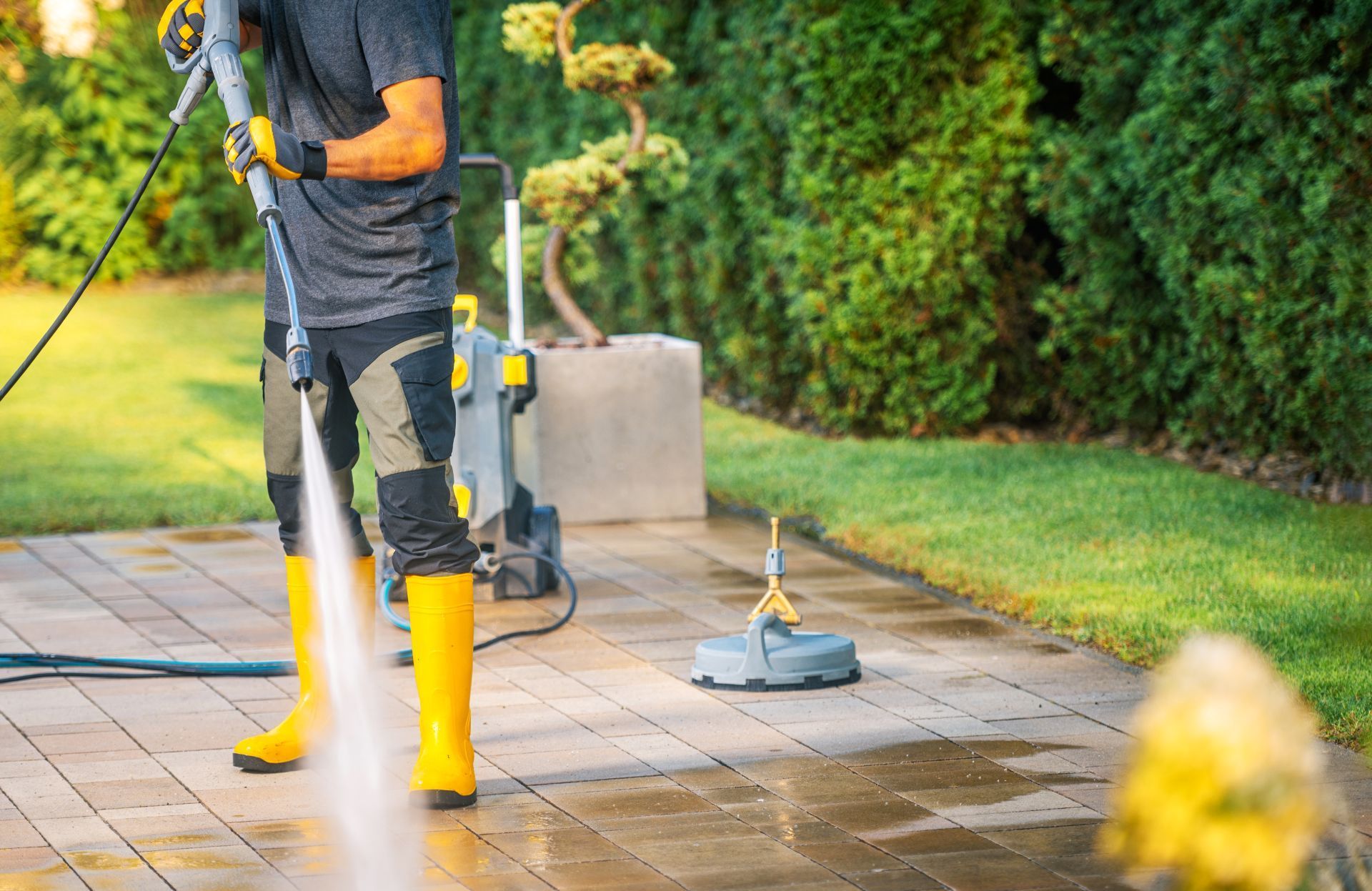
How Cleaning Addresses Built-Up Surface Dirt
Pressure washing works by combining water volume and pressure to break the bond between grime and the surface beneath it. The spray lifts algae that has rooted into porous concrete, clears moss growing in the textured surface of pavers, and removes dirt that has worked into wood grain over multiple wet seasons. The process does not rely on chemical treatments unless specific staining requires targeted application, and most routine cleaning uses water alone.
After pressure washing, driveways show their original light gray rather than streaked black, walkways lose the slick green film that makes them hazardous when wet, and deck boards return to a uniform color instead of appearing mottled with dark patches. You notice the difference immediately—surfaces look maintained rather than neglected, and the contrast between cleaned and uncleaned areas makes it clear how much material had accumulated over time.
Not all stains lift completely with pressure washing alone—oil spots, rust, and certain organic stains may require additional treatment or may have penetrated too deeply to remove without altering the surface itself. The service addresses general dirt and weather buildup rather than promising restoration of surfaces that have been permanently discolored or damaged by long-term exposure.
What Property Owners Usually Ask
Questions about pressure washing typically focus on which surfaces can be cleaned safely and how the process fits into broader exterior maintenance.
What surfaces are appropriate for pressure washing?
Walkways, driveways, concrete patios, composite decks, and sealed wood decking typically tolerate pressure washing when the equipment is adjusted correctly, but delicate surfaces, painted finishes, and materials prone to water intrusion may require gentler cleaning methods.
How does pressure washing differ from soft washing or chemical cleaning?
Pressure washing relies on water pressure to remove buildup, while soft washing uses lower pressure combined with cleaning solutions—this service focuses on pressure washing appropriate surfaces rather than treating stains that require chemical application.
Will pressure washing remove all stains and discoloration?
The process removes surface dirt, algae, moss, and organic grime effectively, but deep stains, oil penetration, rust, and discoloration caused by material breakdown may remain visible even after thorough cleaning.
How often do surfaces need pressure washing in Seattle?
Frequency depends on sun exposure, tree cover, and how quickly organic growth reestablishes, but many properties benefit from annual cleaning to prevent buildup from becoming embedded and harder to remove over time.
What happens to the water and debris during cleaning?
Water and loosened material wash off the surface and flow toward existing drainage points—if drainage is poor or debris accumulates in one area, that may need clearing before or after washing to prevent pooling.
HBD Home & Maintenance LLC assesses surface condition, identifies areas where pressure washing will produce visible improvement, and discusses any spots where staining or damage may persist after cleaning. Arrange a property review to walk through driveways, walkways, patios, and decks that need attention.